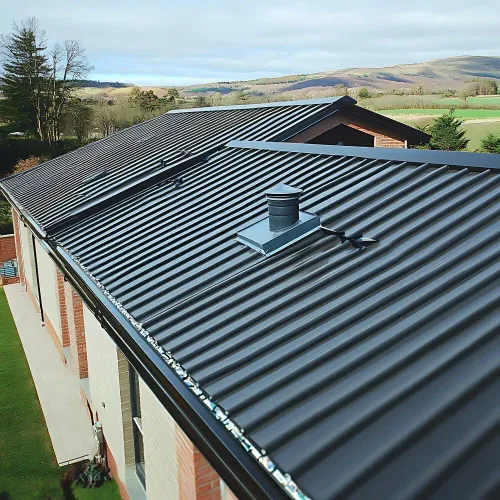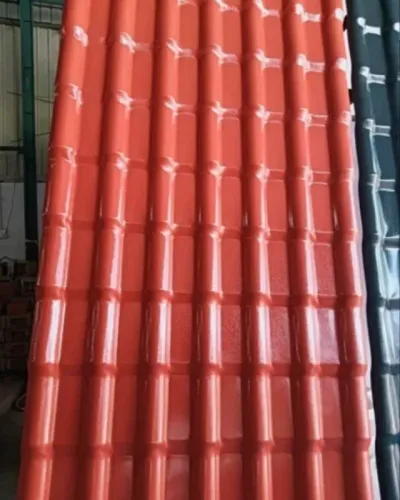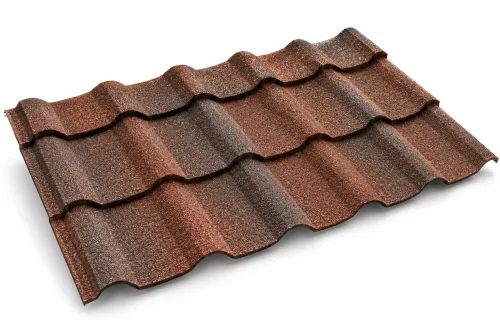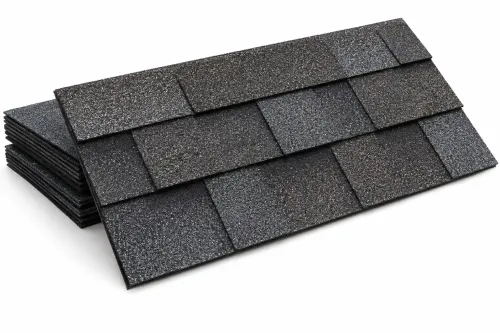
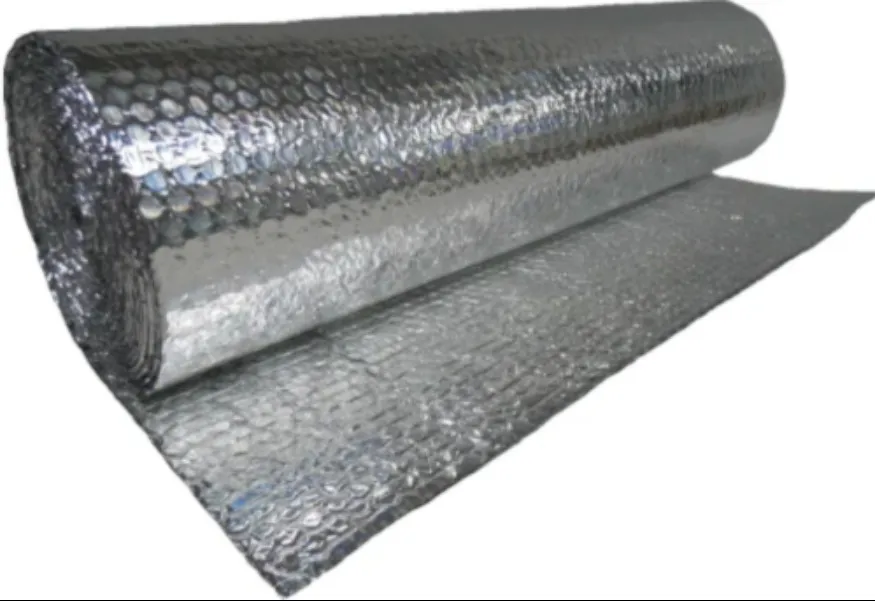
Anyone who has spent time inside an uninsulated metal-roofed building during a Nagpur summer understands why roof heat deserves attention. Solar radiation heats the external roofing surface, and some of that heat can then affect the occupied space below. Air bubble insulation is one option used within certain roofing assemblies to support thermal management.
Its effectiveness, however, depends on product construction and how the complete roof system is designed and installed.
What Is Air Bubble Insulation?
Air bubble insulation generally consists of enclosed air bubbles combined with reflective layers or films, depending on the product.
Reflective surfaces are intended to address radiant heat transfer, while the trapped air contributes to the material's insulating characteristics. Product specifications differ, so buyers should compare verified technical information rather than assuming every bubble-insulation roll performs identically.
Where Is It Commonly Considered?
It may be evaluated for:
- Industrial sheds
- Warehouses
- Workshops
- Commercial buildings
- Agricultural structures
- Prefabricated buildings
- Metal-roofed utility spaces
Nagpur's high daytime temperatures can make thermal-control measures particularly relevant for large roof areas exposed directly to sunlight.
Installation Conditions Matter
Insulation should not simply be added beneath a roof without understanding the intended assembly.
The position of the reflective surface, presence of an air space, joints, overlaps, compression, roof support system, and moisture conditions can all affect performance.
Poor installation may also create gaps that reduce consistency across the roof.
For this reason, insulation selection should be coordinated with roofing installation rather than treated as an unrelated purchase.
Compare More Than the Roll Price
Commercial buyers should examine total installed value.
Ask about product thickness, layer construction, dimensions, coverage, installation requirements, durability, and suitability for the intended building.
Also consider what level of thermal performance the project actually requires. A storage shed and an occupied production facility may have very different expectations.
In some buildings, insulation works best as one part of a broader strategy that includes ventilation, suitable roof colour, air movement, ceiling systems, or mechanical cooling.
Plan Insulation Before Roofing Installation
Retrofitting thermal materials after a roof has been completed can be more complicated than incorporating them during construction.
For new projects, architects, contractors, and facility owners should discuss insulation while finalising the roofing specification.
Maratha Roofing Products works with roofing requirements in Nagpur and can assist customers evaluating air bubble insulation alongside compatible roof systems. Providing building dimensions, roof type, application, existing or proposed structure, and indoor-use requirements helps create a more relevant material assessment.
For industrial and commercial properties across Nagpur, Maharashtra, controlling roof-related heat can contribute to a more manageable indoor environment. The key is to select air bubble insulation based on measurable project needs and integrate it correctly with the roof assembly, rather than treating insulation as an automatic solution for every building.
Keywords