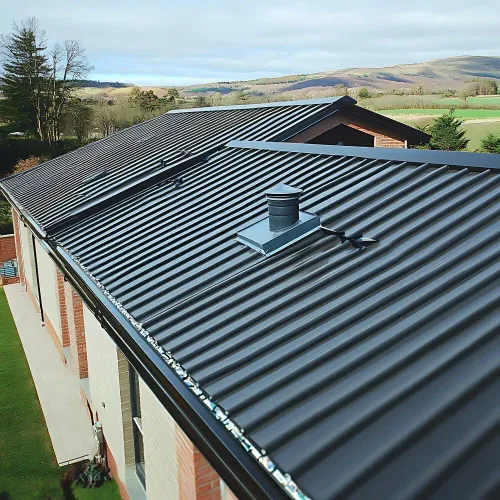
A pitched villa roof, verandah, dormer, or new home addition can suit asphalt shingles, but a nearly flat RCC terrace usually cannot accept them without a properly framed and drained roof assembly. By checking pitch, structure, climate detailing, installation requirements, total installed cost, and maintenance access, you can identify where shingles make sense on your Nagpur property and where another covering is safer.
Key takeaways
- Use a continuous, flat, fully supported deck with at least a 2:12 pitch.
- Specify the manufacturer’s low-slope method from 2:12 to 4:12.
- Detail underlayment, flashing, ventilation, and fasteners for heat and monsoon exposure.
- Inspect valleys, flashings, sealant, loose shingles, and drainage after installation.
Which Nagpur roof shapes can support asphalt shingles?
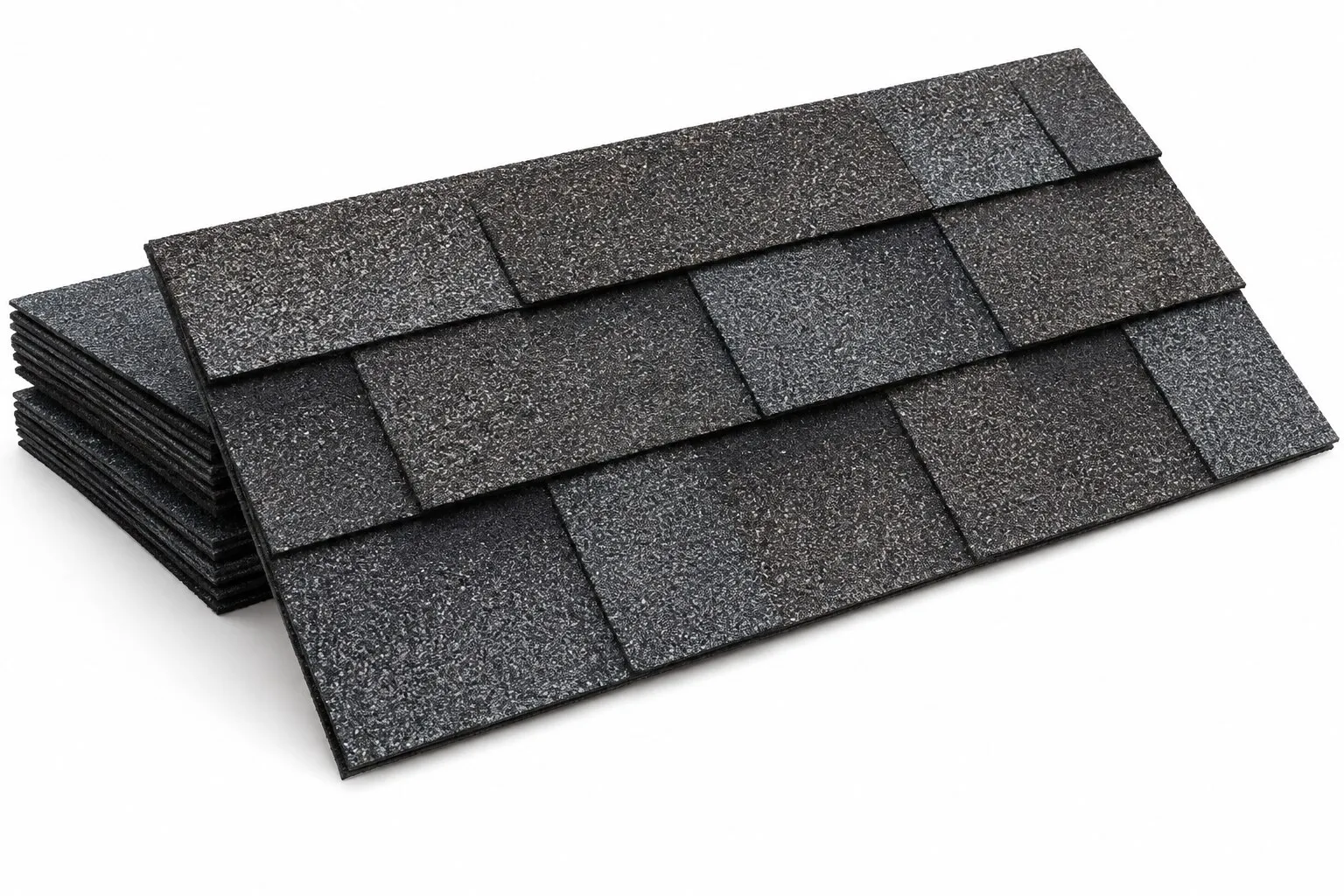
Asphalt roofing shingles for homes in Nagpur need a continuous, flat, fully supported sloped deck. Most installation instructions set 2:12, about 9.5°, as the minimum pitch; from 2:12 to 4:12, use the specified low-slope method, such as doubled underlayment. Adding nails cannot stop ponding water or make a below-minimum pitch watertight.
| Roof form | Suitability | Required action |
|---|---|---|
| Pitched villa, veranda, dormer, garage or visible addition | Strong candidate | Verify pitch, deck and drainage |
| Nearly flat RCC terrace | Not suitable directly | Build a framed, sloped, drained deck above it |
| Low-slope roof from 2:12 to 4:12 | Conditional | Follow the selected shingle system’s low-slope procedure |
| Moving or uneven deck | Unsuitable until repaired | Replace or securely refasten the decking |
Asphalt shingles in Nagpur require dry, securely fastened decking with joints and thickness suited to the specified fasteners. Ask an engineer to inspect rafters, trusses, purlins, decking and connections when the roof is being added over a terrace, spans are unclear, or movement or heavy finishes are present.
Reject shingles when you have:
- Persistent ponding, weak or moving decking, or maintenance access that will abrade the covering
- Unusually high impact requirements beyond the selected product’s tested performance
- A design brief specifying a non-combustible roof assembly
What complete roof assembly handles Nagpur’s heat and monsoon?
Nagpur roof-deck temperatures above 45°C, ultraviolet exposure, dust, and concentrated southwest monsoon rain test the whole roof, not only the shingle field. Asphalt roofing applications in Nagpur need heat-conscious materials, positive drainage, and protected junctions; asphalt shingles in Nagpur are only one layer in that system.
1. Begin with a dry, flat, continuous deck. Repair movement, gaps, and dampness before laying compatible underlayment; trapped moisture beneath shingles can rot the deck and expose leaks.
2. Detail water-shedding edges with eaves drip edge, starter strips, and matching ridge caps. Use light-coloured or solar-reflective shingles to reduce solar loading, and choose algae-resistant granules where shade and monsoon dampness encourage staining.
3. Choose open valleys for easier inspection and debris removal, or install closed-cut or woven valleys exactly to the product instructions. Include wall and chimney flashing, step flashing, pipe boots, skylight flashing, parapet transitions, and sealed junctions with adjacent metal sheets or masonry.
4. Design balanced ventilation with low-level intake and high-level exhaust, while keeping rain out. A ridge vent without intake produces little airflow and can leave the roof hotter; an unprotected vent becomes a monsoon leak path. Ventilation does not replace an insulated ceiling or a designed ventilated air space.
How should shingles be installed for wind and monsoon exposure?
A wind- and monsoon-ready roof depends on the complete installation sequence, not a “heavy-duty” shingle label. For asphalt roofing applications in Nagpur, use the selected product’s written instructions and treat every edge, junction, and penetration as part of the waterproofing system.
- Inspect the continuous deck for rot, movement, gaps, or uneven boards. Repair or replace defective sections before covering them.
- Install the specified underlayment and eaves protection, then fit drip edges at eaves and rakes in the manufacturer’s stated order.
- Lay the starter strips accurately along the eaves. Place shingles from the eaves upward, keeping courses aligned and exposing only the specified amount.
- Ask for the exact nail type, nail count, spacing, fastening zone, and wind-test classification. Do not accept a generic “four-nail” claim; wind uplift also depends on pitch, deck, perimeter zones, and exposure.
- Hand-seal shingles wherever the instructions require it, especially at dusty edges, steep sections, or high-wind zones where factory seal strips may not bond.
- Install flashing at walls, chimneys, valleys, penetrations, skylights, parapets, and sheet junctions. Finish hips and ridges with matching caps.
- Stop work during rain, on wet decking, in strong wind, or before the waterproofing stage is complete. A monsoon shower can trap moisture beneath exposed layers and create concealed leaks.
These details matter for asphalt roofing shingles for homes in Nagpur, where dust, wind-driven rain, and intense seasonal rainfall test every fastening and junction.
How do you compare the complete shingle system with other roof coverings?
Measure the roof in plan sections, then apply the selected roof’s slope to obtain the actual shingle area. Price the complete system: decking repairs, underlayment, starter strips, flashings, valley metal, ridge caps, ventilation, labour, access, wastage, and future maintenance. For hips, valleys, cuts, and penetrations, calculate separate allowances rather than applying one blanket percentage.
Confirm measured bundle coverage after choosing the product; do not invent it. Retain labelled spare shingles from the same batch.
| Option | Weight and heat | Noise, appearance, and practical life |
|---|---|---|
| Asphalt shingles | Light; underlay and ventilation control heat | Quiet, layered appearance; simple local repairs; life depends on product and exposure |
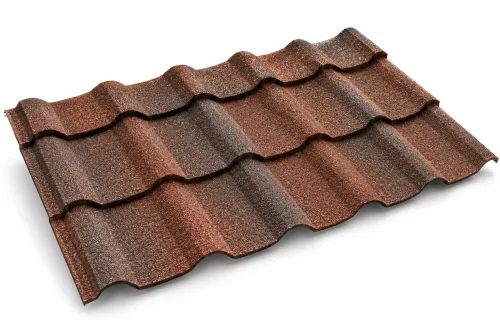
| Stone-coated metal sheets | Light; heats quickly without insulation | Louder in rain, tile-like appearance; repairs need matching profiles |
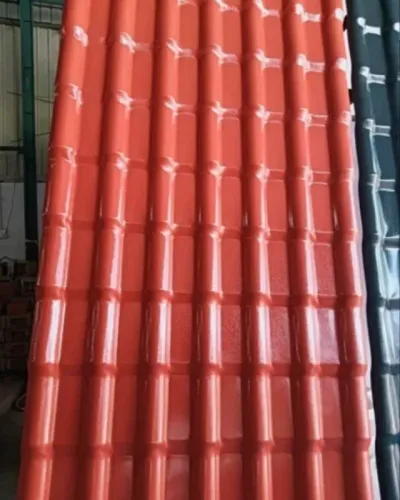
| ASA UPVC Spanish sheets | Very light; low thermal transfer with an air gap | Quieter than bare metal, Spanish profile; easy installation but brittle damaged panels need replacement |
| Concrete or clay tiles | Heavy; thermal mass reduces daytime heat | Quiet, established appearance; structural checks and skilled repairs required |
| Synthetic artificial thatch | Light; UV and heat performance depend on specification | Distinctive appearance; detailing is complex and damaged sections can be difficult to match |
For asphalt roofing shingles for homes in Nagpur, request:
- Product data sheet, ASTM D3462 evidence where applicable, installation instructions, wind-test classification, and fastening pattern.
- Batch or lot identification, warranty conditions, colour availability, and approved accessories.
- A written quantity schedule showing field shingles, hip and ridge caps, starter strips, valley treatment, flashings, and retained spares.
Maratha Roofing Products can help check that this list is specified as one system rather than sourced as unrelated parts.
Related product
 | Asphalt Roofing Shingles Asphalt roofing shingles are a durable, cost-effective roofing solution known for their versatility and weather resistance. View product → |
What inspection and repair work will the roof need after installation?
Plan one roof inspection after every monsoon; asphalt roofing applications in Nagpur suit households that can access the roof and attic for this work. A neglected flashing failure can damage insulation, decking, and interior ceilings long before the shingle field looks worn.
- Inspect valleys, eaves, wall flashing, pipe boots, and ridge vents for lifted edges, gaps, rust, or blocked drainage.
- Look for lifted tabs, exposed fastener heads, granule loss, debris, moss, and algae staining.
- Check the attic for water marks, damp insulation, daylight around penetrations, and musty odours.
- Clear leaves by hand or with a soft brush; dragging tools across shingles removes protective granules.
- Seal exposed fastener heads only where the selected product’s instructions specify the sealant and application method.
A small lifted or torn shingle is repairable when the underlayment and deck remain sound. Replace larger areas after widespread blistering, repeated leaks, deck movement, severe wind loss, heat distortion, or saturated insulation.
Matching sun-aged colour is difficult, so keep labelled spare shingles from the same batch in a dry, shaded place. This simple stock reduces visible patchwork and helps repairs on asphalt shingles in Nagpur remain practical.
What should you check on the Nagpur site before approving the roof?
Approve the roof only when the site, not just the shingle sample, passes this checklist. Asphalt roofing shingles for homes in Nagpur work best on a pitched, continuously supported, structurally sound, ventilated, correctly flashed, and inspectable roof.
1. Confirm the pitch meets the selected manufacturer’s minimum. Reject ponding-prone slopes unless the specified low-slope assembly is approved.
2. Record roof orientation, summer shade, and colour choice. Shaded planes need algae-resistant granules and a debris-cleaning plan.
3. Mark balanced attic intake and exhaust locations, with rain-protected vents.
4. Check drainage at eaves and valleys; specify open valley metal where inspection and debris clearance matter.
5. Note trees, falling branches, leaves, and fungal staining risk.
6. Classify wind exposure on open plots, beside tall buildings, and at corner homes. Request the tested classification, nail pattern, and perimeter fastening details.
7. Confirm safe crew and future inspection access.
8. Repair a wet, soft, uneven, or moving deck before delivery; verify structural capacity with an engineer where needed.
9. Set a weather window to complete delivery, deck repairs, underlayment, flashings, and exposed details before the southwest monsoon.
For asphalt roofing applications in Nagpur, postpone approval if waterproofing cannot finish before rain.
Frequently asked questions
Which Nagpur roof shapes can support asphalt shingles?
Use asphalt shingles on sloped roofs with a continuous, flat, fully supported deck. Confirm the roof reaches at least 2:12, or about 9.5°. Roofs from 2:12 to 4:12 require the manufacturer’s specified low-slope installation method.
What complete roof assembly handles Nagpur’s heat and monsoon?
Assess the complete assembly rather than the shingle alone: the structural deck, underlayment, shingles, ridge and eave details, flashing, ventilation, and drainage must work together. Select each component according to the shingle manufacturer’s installation instructions and site exposure.
How should shingles be installed for wind and monsoon exposure?
Follow the product instructions for nail type, placement, quantity, starter strips, laps, valleys, eaves, ridges, and flashing. Use the specified low-slope underlayment method between 2:12 and 4:12; extra nails cannot correct ponding or an inadequate pitch.
How do you compare a complete shingle system with other roof coverings?
Compare the full installed system, including deck requirements, underlayment, flashings, ventilation, labour, maintenance, repair access, weight, drainage, and expected weather exposure. Do not compare shingle or sheet prices alone.
What inspection and repair work will the roof need after installation?
Inspect after severe monsoon weather and look for lifted or missing shingles, exposed fasteners, damaged flashing, open laps, blocked drainage, granule loss, and leaks. Repair the failed detail instead of adding nails as a general fix.
Keywords